

Torque-Speed Fit
Match torque and speed requirements over the real duty profile.
Compare listed rare-earth PMSM model references by operating speed, torque, electrical input and application constraints.
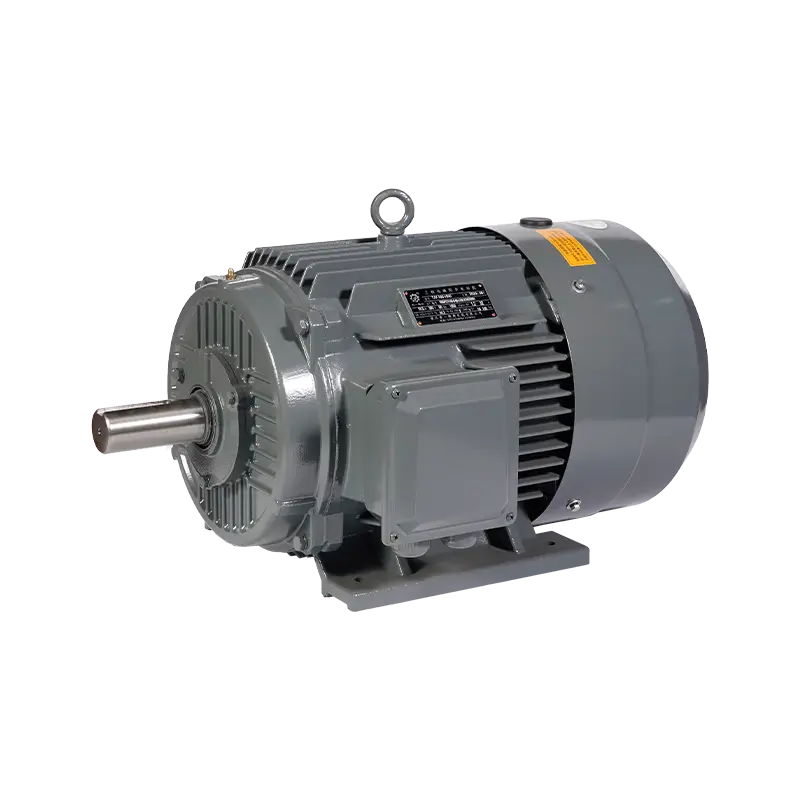
Match torque and speed requirements over the real duty profile.
Confirm frequency, inverter control and supply characteristics.
Evaluate cooling, ambient temperature and continuous operation.
Reference the actual model table, nameplate and agreed tests.
Use the published model specifications as the starting evidence and confirm the final operating conditions for the intended drive system.
A published model row does not by itself define every possible drive setting or duty condition. Evaluate application-specific constraints.
Document shaft output and torque demand at operating points.
Identify speed control range and overspeed limits.
Match power supply, frequency and inverter settings.
Define ambient, cooling and continuous operation.
Check dimensions, shaft loads and coupling.
Confirm which listed model ratings apply and which tests are available.
Any compliance, protection rating or test claim must be verified against the actual proposed product and destination requirements.
Ask for applicable model ratings and outline drawings.
Define tests and acceptance criteria appropriate to the application.
Confirm packaging, handling and destination requirements.
An engineering RFQ should describe the actual operating conditions and acceptance requirements.
A practical engineering procurement sequence depends on defining the application, reviewing a suitable configuration and agreeing the evidence required.
Send application and technical data.
Review candidate models, interfaces and constraints.
Agree drawings, tests and acceptance criteria if required.
Confirm quotation, scope, inspection and shipment details.
Send the application, operating conditions and relevant drawings to start a configuration-specific review.
Helpful documents: Preferred model reference, load curve, voltage, speed range and installation dimensions