

Thermal Duty
Define continuous load and expected heat-removal conditions.
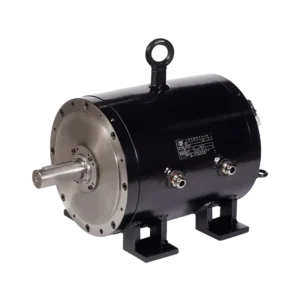
Review water-cooled PMSM references with attention to heat removal, coolant interface, load profile and mechanical installation.

Define continuous load and expected heat-removal conditions.
Check available coolant temperature, flow and connection constraints.
Verify motor-inverter operating points across the speed range.
Confirm mounting, pipe access and equipment footprint.
Check the published electrical and mechanical ratings and confirm cooling-loop compatibility before specification approval.
The final configuration depends on motor losses, cooling-loop conditions and the real torque-speed profile. Cooling performance must not be assumed without engineering review.
Define continuous and peak shaft-load demand.
Confirm normal speed, limits and inverter requirements.
Supply fluid, inlet temperature, available flow and pressure conditions.
Check ambient and thermal duty over the operating cycle.
Review coolant ports, shaft and mounting envelope.
Identify leak, temperature, insulation and operating checks needed.
Confirm the final proposed model, coolant specifications and required tests rather than extrapolating from catalog photographs or other models.
Ask for applicable model ratings and outline drawings.
Define tests and acceptance criteria appropriate to the application.
Confirm packaging, handling and destination requirements.
An engineering RFQ should describe the actual operating conditions and acceptance requirements.
A practical engineering procurement sequence depends on defining the application, reviewing a suitable configuration and agreeing the evidence required.
Send application and technical data.
Review candidate models, interfaces and constraints.
Agree drawings, tests and acceptance criteria if required.
Confirm quotation, scope, inspection and shipment details.
Send the application, operating conditions and relevant drawings to start a configuration-specific review.
Helpful documents: Load curve, drive data, coolant temperature/flow, installation drawings and motor model reference