

Duty & Load Review
Specify continuous and peak torque, start-up demands and duty cycle.
Review Hiest three-phase PMSM product references in the context of your load, operating speed, electrical supply and machine interface.
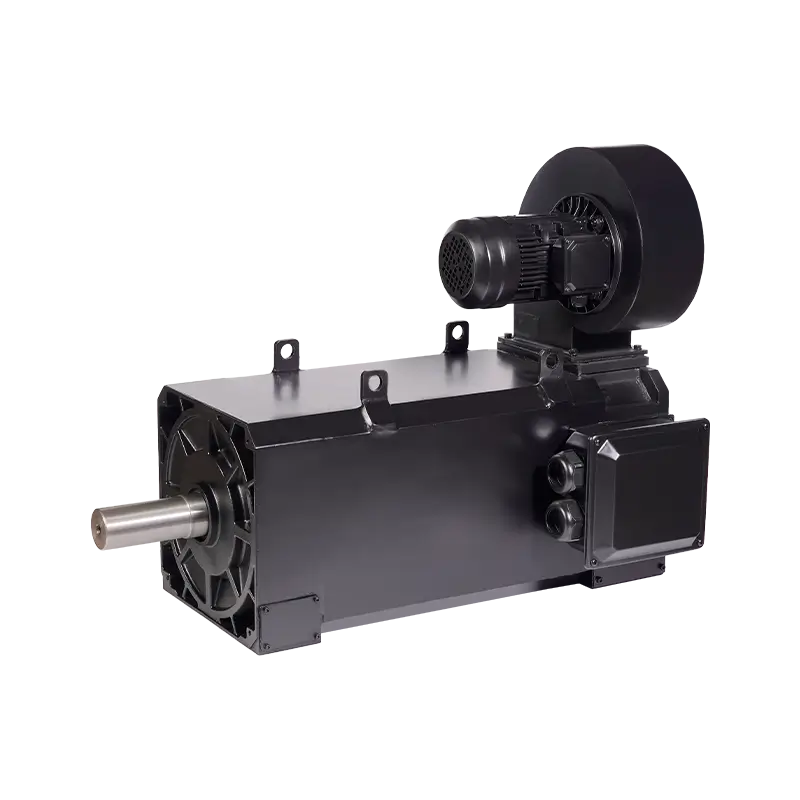
Specify continuous and peak torque, start-up demands and duty cycle.
Review the expected supply and motor-control strategy for the application.
Confirm shaft, frame, mounting and driven-load interfaces.
Identify sample, inspection and test evidence needed for the intended operating conditions.
Use each product page to verify published ratings and model tables. Confirm the operating envelope before requesting a configuration-specific quotation.
Motor selection depends on operating points, acceleration, installation and controls rather than rated power alone.
Provide continuous, peak and start-up torque needs.
Define base, normal and maximum operating speeds.
Check voltage, frequency, current and drive requirements.
Explain operating cycles, ambient conditions and heat removal.
Supply frame, footprint, shaft and coupling constraints.
Confirm which performance, insulation and mechanical checks are required.
Any compliance, protection rating or test claim must be verified against the actual proposed product and destination requirements.
Ask for applicable model ratings and outline drawings.
Define tests and acceptance criteria appropriate to the application.
Confirm packaging, handling and destination requirements.
An engineering RFQ should describe the actual operating conditions and acceptance requirements.
A practical engineering procurement sequence depends on defining the application, reviewing a suitable configuration and agreeing the evidence required.
Send application and technical data.
Review candidate models, interfaces and constraints.
Agree drawings, tests and acceptance criteria if required.
Confirm quotation, scope, inspection and shipment details.
Send the application, operating conditions and relevant drawings to start a configuration-specific review.
Helpful documents: Motor nameplate, load curve, power supply details, motor outline drawing and duty profile