

Workpiece Assessment
Review material, thickness, size and surface condition.
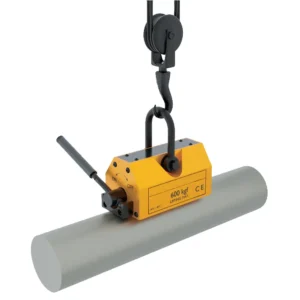
Review magnetic-lifter references against the actual workpiece, contact surface, handling process and required safety verification.
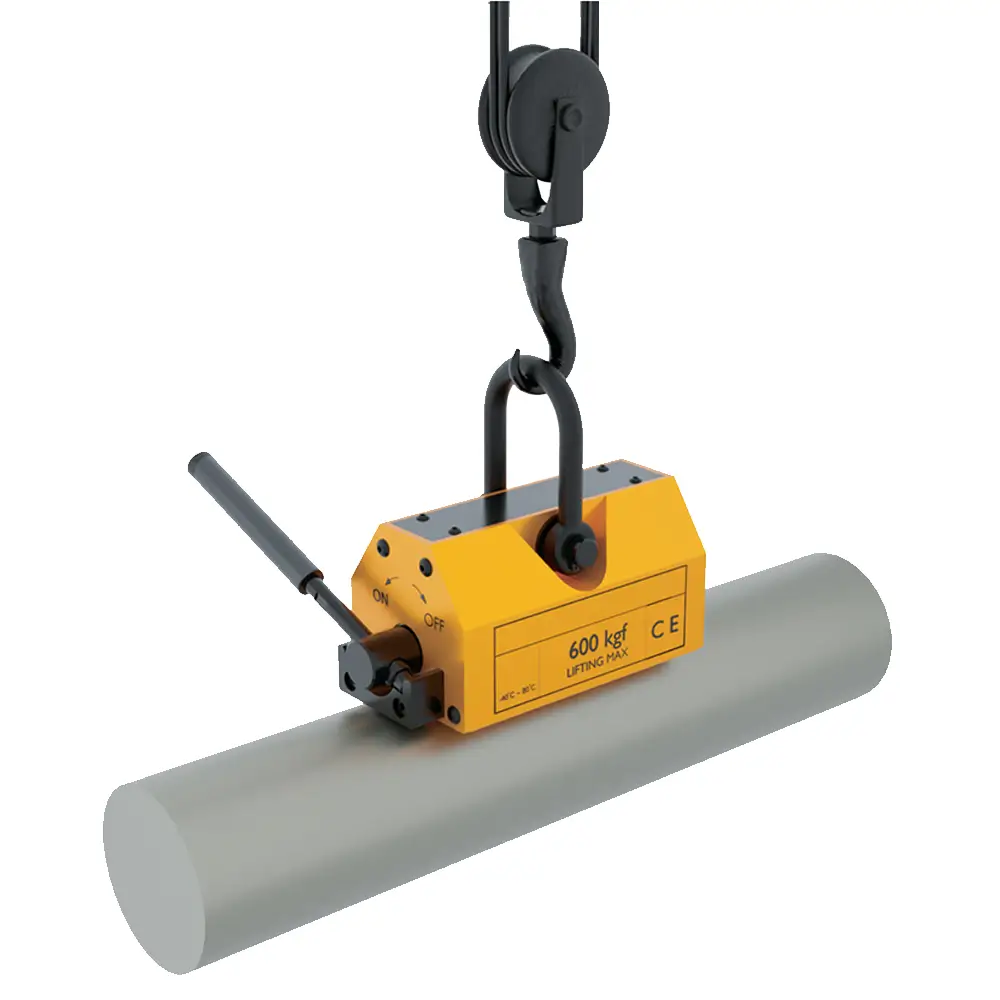
Review material, thickness, size and surface condition.
Confirm mass, geometry, center of gravity and handling orientation.
Evaluate contact area, clearances and activation method.
Request model-specific limits, inspection criteria and applicable lifting procedures.
Use product information as a starting point and verify the approved lifting conditions and rated capacity for the exact model.
Nominal holding force cannot substitute for approval of the real workpiece, surface condition and lifting setup.
Identify the actual ferromagnetic grade and condition.
Confirm thickness, dimensions and load distribution.
Account for coatings, roughness, air gaps and contact area.
Describe lifting orientation and movement conditions.
Verify model-specific working limits and any reduction factors.
Confirm inspection, operating procedure and applicable handling standards.
Lifting and handling requirements depend on the actual load and jurisdiction. No capacity or safety certification is assumed without source evidence.
Verify the exact model's allowable load and conditions.
Review marking, operating instructions and inspection needs.
Align use with applicable worksite rules and trained operation.
An engineering RFQ should describe the actual operating conditions and acceptance requirements.
Review the actual load, select a candidate lifter and verify that its documented working conditions are appropriate before use.
Document material, shape, mass and surface.
Compare the published limits and required safety factors.
Confirm marking, operating instructions and required checks.
Agree quantity, inspection and shipment details.
Share your workpiece dimensions, material, surface condition, required load and handling arrangement.
Helpful documents: Workpiece drawing, material details, lifting orientation and target load